

Dental Implants
15-11-2024Dental implant surgery involves placing artificial tooth roots (dental implants) into the jawbone to replace missing or damaged teeth. These artificial roots are typically titanium screws and are the best alternative to natural tooth roots. The surgery is usually performed under local anesthesia, and the pain is minimal.
Stages of Dental Implant Surgery:
- Diagnosis and Planning: Assessing the condition of the jawbone and the health of the gums.
- Implant Placement: The implant is placed into the jawbone.
- Healing Process: It takes several months for the implant to integrate with the bone (osseointegration).
- Prosthesis Installation: After healing, artificial teeth are attached to the implants.
What are Dental Implants?
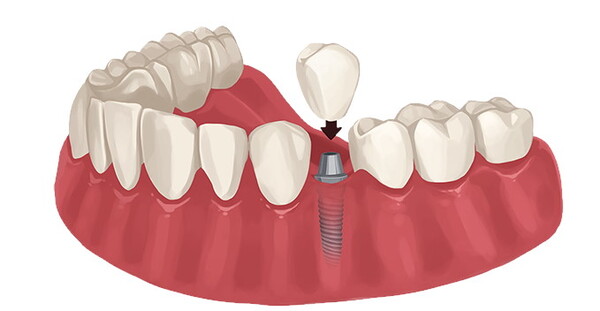
Dental implants are artificial tooth roots placed into the jawbone to replace missing teeth. They look and function like natural teeth. Dental implants consist of three main parts:
- Implant Screw: A titanium screw that acts as an artificial tooth root and is placed into the jawbone.
- Abutment: A small connector post that is attached to the implant screw and protrudes slightly above the gum line. It serves as the foundation for the artificial tooth.
- Restoration: The prosthetic teeth used to restore the function and appearance of the teeth. These include crowns, bridges, and dentures.
Types of Dental Implants
Single Tooth Implant:
- Implant: Acts as the root of the tooth and is placed into the jawbone.
- Abutment: Connects the implant to the crown.
- Crown: The visible part that matches your natural teeth.
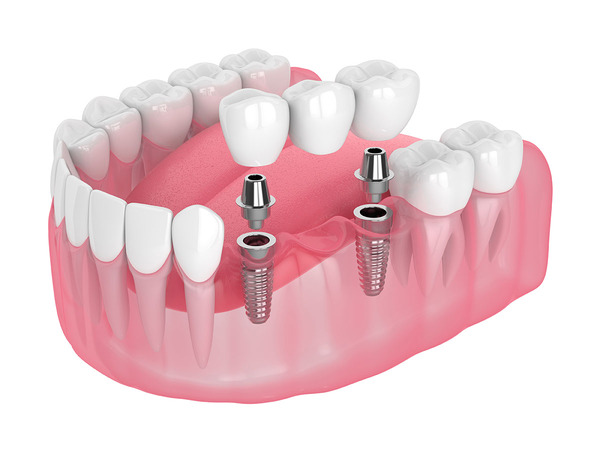
Implant-Supported Bridge:
- Implant: Serves as an anchor.
- Bridge: A set of artificial teeth attached to the implants.
All-On-4 Implants
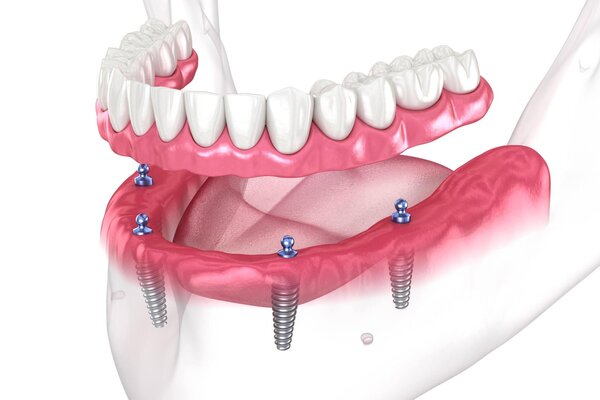
- Four Implants: Strategically placed in the jawbone.
- Full Arch of Teeth: Provides a stable and permanent solution.
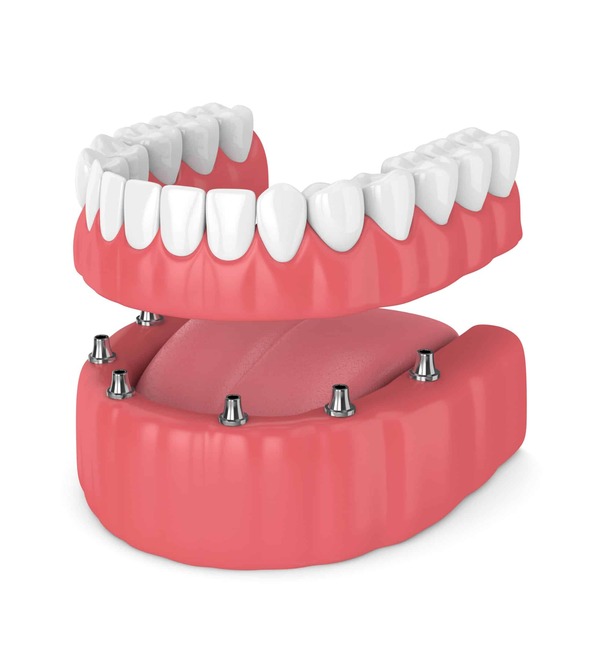
All-On-6 Implants
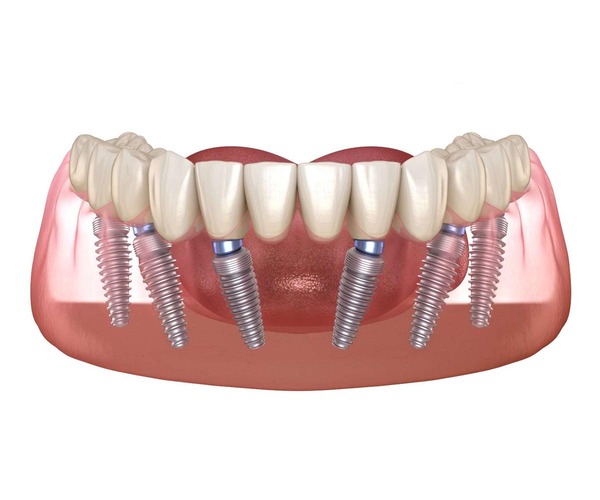
- Six Implants: Provide more support and stability.
- Full Mouth Restoration: Offers a stronger and more durable restoration.
Same-Day Implants
- Tooth Extraction and Implant Placement: Done on the same day.
- Immediate Functional and Aesthetic Solution: Provides an immediate solution for patients.
3D Guided Implant Surgery
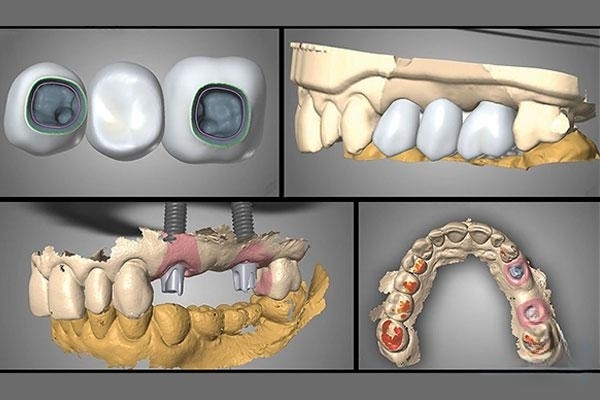
- 3D Model: Creates a 3D model of the jawbone and surrounding structures.
- Precise Planning: Allows for precise planning of implant placement and reduces the risk of complications.
Implant Placement Types
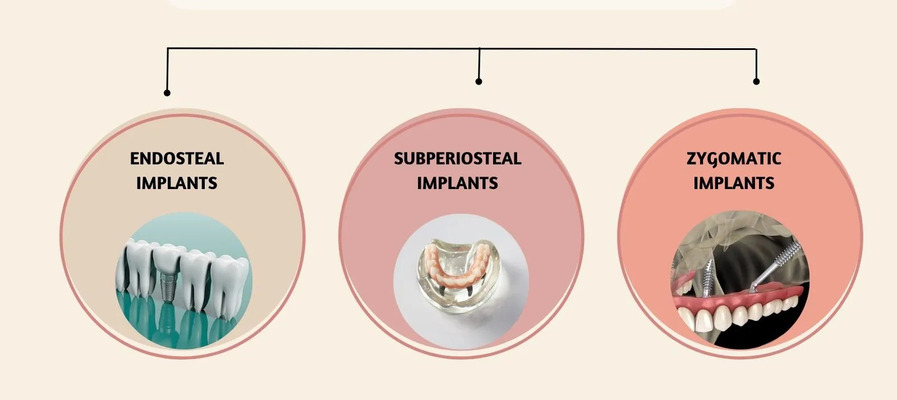
- Endosteal Implants: The most common type, placed directly into the jawbone. They can be screws, cylinders, or blades.
- Subperiosteal Implants: Placed on or above the jawbone, used when there is not enough healthy jawbone.
- Zygomatic Implants: Used when there is significant bone loss in the upper jaw. These implants are placed in the cheekbone (zygoma) and are longer.
Additional Procedures:
- Bone Augmentation: Strengthens the jawbone to support implants.
- Sinus Lift: Adds bone to the upper jaw to support implants.
- Ridge Expansion: Widens the jaw to create space for implants.
| Implant Type | Description | Main Components | Procedures | Advantages | Suitability | Care |
|---|---|---|---|---|---|---|
| Single Tooth Implant | Used to replace one tooth. | Implant Screw, Abutment, Crown | Implant placement, Abutment and Crown installation | Natural appearance, long-lasting | Single tooth loss | Normal dental care |
| Implant-Supported Bridge | Used when several teeth are missing. | Implant Posts, Bridge | Implant posts placement, Bridge installation | Preserves jawbone, provides stability | Multiple tooth loss | Normal dental care |
| All-On-4 Implants | Used to replace a full arch of teeth. | Four Implants, Full Arch of Teeth | Placement of four implants, Installation of full arch of teeth | Full arch with fewer implants, shorter healing time | Complete tooth loss | Normal dental care |
| All-On-6 Implants | Provides more support and stability. | Six Implants, Full Mouth Restoration | Placement of six implants, Installation of full mouth restoration | More stability and support | Complete tooth loss | Normal dental care |
| Same-Day Implants | Tooth extraction and implant placement in one session. | Tooth Extraction and Implant Placement, Immediate Functional and Aesthetic Solution | Tooth extraction, Implant placement, Immediate functional and aesthetic solution | Quick results, immediate functional and aesthetic solution | Single or multiple tooth loss | Normal dental care |
| 3D Guided Implant Surgery | Precise placement of implants using digital technology. | 3D Model, Precise Planning | Creation of 3D model, Precise planning and placement of implants | More precise placement, reduced risk of complications | Any type of tooth loss | Normal dental care |
Benefits of Dental Implants:
- Improved Function: Allows for normal chewing and speaking.
- Aesthetic Appearance: Designed to look like natural teeth.
- Bone Preservation: Helps maintain the structure of the jawbone.
- Durability: With proper care, implants can last for many years.
Who is Suitable for Implant Surgery?
Dental implant surgery is suitable for individuals who have lost teeth due to various reasons, including:
- Cavities: Tooth decay leading to gaps.
- Cracked Teeth: Teeth broken or cracked due to accidents or trauma.
- Gum Disease: Tooth loss due to gum inflammation or infection.
- Anodontia: Teeth that never developed.
- Bruxism: Tooth loss due to grinding or clenching.
Dental implants help restore your smile and confidence, making you feel more comfortable in social situations.
Pre-Implant Surgery
- Consultation and Examination: A thorough examination of your oral health. During the initial consultation, the dentist will assess the condition of your teeth, gums, and jawbone.
- Treatment Plan: The dentist will determine the most suitable treatment plan for the patient before the implant surgery.
- Diagnostic Procedures:
- X-rays and Scans: Essential diagnostic tools to get a comprehensive view of the dental anatomy.
- Molds: Custom-made replicas of the teeth and surrounding tissues.
- Medical History Evaluation: The patient’s overall health plays a crucial role in the success of the dental implant surgery.
- Preparation for Implant Surgery: Proper preparation is essential for a successful implant surgery.
Implant Surgery
- Local Anesthesia: Typically used to numb the area where the dental implant surgery will be performed.
- IV Sedation or General Anesthesia: Depending on the complexity of the surgery and the patient’s characteristics, the dentist may offer IV sedation or general anesthesia.
- Step-by-Step Implant Surgery: Tooth extraction (if necessary), implant placement, bone grafting (if necessary), suturing, and wound closure.
Post-Implant Surgery Care
- Managing Pain and Swelling: Your dentist will provide detailed instructions on managing discomfort after dental implant surgery, including prescribed pain medications and methods to reduce swelling.
- Follow-Up Appointments: Scheduled follow-up appointments are crucial to monitor the healing process after dental implant surgery.
- Oral Hygiene: Maintaining excellent oral hygiene is essential.
When Are Implants Risky and Who Should Avoid Them?
- Health Issues:
- Diabetes: Individuals with diabetes may experience delayed healing and a higher risk of infection.
- Cardiovascular Diseases: Those with heart conditions may face risks with anesthesia and surgery.
- Hemophilia: This condition can cause bleeding and healing problems.
- Immune System Issues: Individuals with weakened immune systems have a higher risk of infection.
- Age Factor:
- Incomplete Jawbone Development: Implants are not recommended for individuals whose jawbone has not fully developed.
- Elderly Individuals: The condition of the jawbone in older individuals may vary, making implant placement risky.
- Pregnancy and Breastfeeding:
- Pregnancy: Implant placement is not recommended during pregnancy due to the risks associated with anesthesia and surgery.
- Postpartum: Implant placement is not recommended within 6 months after childbirth.
- Smoking:
- Smoking delays healing in the mouth and increases the risk of implant failure.
- Radiotherapy:
- Head and Neck Radiotherapy: Individuals who have received radiation treatment in these areas may face risks with implant placement.
- Other Risk Factors:
- Periodontitis: Implant placement is not recommended for individuals with gum inflammation.
- Blood Thinners: Individuals taking blood-thinning medications have a higher risk of bleeding.
Age Range for Implant Surgery
- Minimum Age: The minimum age for implant placement is 18, as the jawbone needs to be fully developed. However, this age range can vary, with females typically between 16-18 and males between 18-20.
- Maximum Age: There is no upper age limit for implant placement. Implants can be successfully placed in individuals aged 60 and above, provided their overall health is good.
Risks of Dental Implants
- Infection: There is a risk of infection after implant placement.
- Nerve Damage: Rarely, nerve damage can occur during implant placement.
- Sinus Problems: Implants placed too close to the sinus cavity in the upper jaw can cause sinus issues.
Caring for Dental Implants
- Regular Brushing and Flossing: Daily brushing and flossing are essential to maintain the health of implants and natural teeth.
- Regular Dental Check-Ups: Regular dental visits are important to monitor the condition of implants and detect any problems early.
- Healthy Diet: A healthy diet helps maintain oral health and ensures the longevity of implants.
Implant Costs
The cost of dental implants varies based on several factors, including the type of implant, material, clinic, and additional procedures. Here are the details:
- Type of Implant:
- Single Tooth Implant: Used to replace one tooth and is generally less expensive.
- Implant-Supported Bridge: Used to replace several teeth and requires multiple implants.
- All-On-4 and All-On-6 Implants: Used to replace a full arch of teeth and require more implants, making them more expensive.
- Material of Implant:
- Titanium Implants: The most commonly used material with high biocompatibility.
- Zirconium Implants: More aesthetic and do not cause allergic reactions but are more expensive.
- Clinic:
- Local Clinics: May offer more affordable implant prices.
- International Clinics: Renowned international clinics may charge higher prices but offer high-quality services.
- Additional Procedures:
- Bone Augmentation: Required when there is insufficient jawbone.
- Sinus Lift: Needed for implant placement in the upper jaw.
- Ridge Expansion: Required to widen the jawbone for implant placement.
- Brand of Implant:
- Turkish Implants: More affordable.
- Korean Implants: Mid-range prices.
- Israeli, German, and Swiss Implants: Higher quality and price.
- Dentist’s Experience:
- Experienced Dentists: Services from more experienced and renowned dentists may be more expensive.
- Less Experienced Dentists: Services from less experienced dentists may be more affordable.
Price Range of Implants
In Azerbaijan, the price range for implants generally varies between 400-1000 AZN. This range can vary based on the factors mentioned above. For more precise information about dental implant prices or implant surgery, it is recommended to contact your clinic.